Roofing and Roof Repairs: Expert Guide
By
Ella
Date
January 19, 2026
Read Time
5 min read
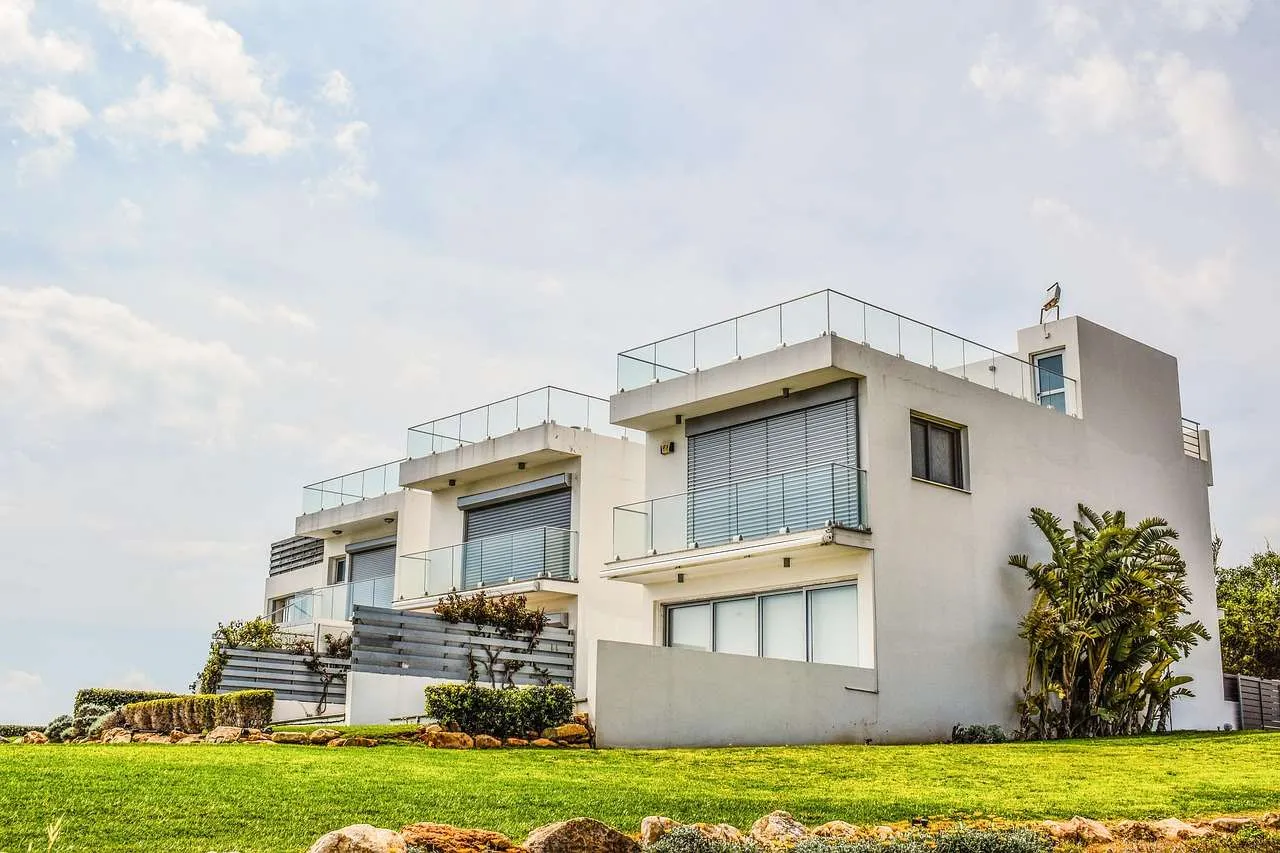
Roofing is more than just shields from the weather; it protects every room below, preserves interior comfort, and maintains your home’s value. When problems arise, quick, informed decisions about roof repairs can prevent escalation and costly damage. This article provides an authoritative overview of roofing and roof repairs, practical steps to assess damage, and guidance on choosing trusted professionals who meet EEAT standards—expertise, authority, and trustworthiness.
Understanding Roofing Basics
Roofing encompasses the materials, design, and construction methods used to create a weatherproof shell for a building. A well-installed roof not only keeps water out but also supports insulation, ventilation, and energy efficiency. Common roof types include asphalt shingles, metal, tile, and wood shakes, each with distinct lifespans and maintenance needs.
Types of Roofs
- Asphalt shingles: cost-effective and widely used with 15–30 year lifespans.
- Metal roofs: durable and energy-efficient, often lasting 40–70 years.
- Clay or concrete tiles: excellent for heat tolerance and curb appeal, typically 40–75 years.
- Wood shakes/shingles: attractive but require more maintenance and can be vulnerable to moisture and pests.
Common Signs You Need Roof Repairs
- Missing or curling shingles after a storm
- Shingle granules in gutters or downspouts
- Visible leaks or stains on ceilings and walls
- Sagging sections or dropped attic insulation
- Damaged flashing around chimneys, vents, or skylights
Planning Roof Repairs
Not all roof issues require a full replacement. A trained professional can distinguish between temporary fixes and long-term repairs. Consider safety, structural integrity, and the potential impact on energy efficiency when planning repairs.
DIY vs. Hiring Pros
Roof work poses fall hazards and may involve working at height, electrical systems, and roofing materials that can cause skin or eye injuries. While minor gutter cleaning or debris removal can be DIY, most repairs—especially on steep pitches or aged roofs—should be handled by licensed roofers. Hiring pros also ensures proper warranties and adherence to building codes.
Finding a Reputable Roofer
Expertise and trust begin with credible credentials. Look for licensed and insured contractors, years of experience, and written warranties. Check national and local associations (for example NRCA in the United States) for contractor referrals and safety certifications. Request estimates in writing, ask for a breakdown of labor and materials, and request photos or references from prior projects to verify workmanship quality.
Costs, Materials, and Planning
Costs vary by roof size, material, accessibility, and labor. Asphalt shingles are typically the least expensive option, while slate or clay tile commands higher prices due to material costs and installation complexity. A transparent contractor will help you prioritize repairs that extend roof life while balancing budget and future maintenance needs.
Cost Factors
Major cost drivers include the extent of damage, roof pitch, the number of layers, required permits, ventilation needs, and whether underlayment or flashing must be replaced. Seasonal weather, material availability, and regional labor rates also influence pricing. When you receive a bid, ensure it covers materials, labor, disposal, and any warranty terms.
To aid decision-making, consider the following example table of typical repair options and costs. Note that actual prices vary by region and project specifics.
| Repair Type | Description | Typical Cost Range | Pros | Cons |
|---|---|---|---|---|
| Shingle replacement | Replace damaged or missing shingles, usually on a small section | $150–$1,000 per 10–20 shingles | Low disruption, preserves appearance | Requires matching shingles for consistency |
| Flashing repair | Seal around chimneys, vents, and joints | $300–$1,500 | Stops leaks at critical points | Improper seal may fail again if underlying deck is compromised |
| Underlayment fixes | Repair or replace roof deck beneath shingles | $1,000–$3,000 | Prevents further water intrusion | Adds to project scope and cost |
| Partial roof replacement | Replace damaged sections rather than entire roof | $3,000–$10,000 (depending on area and material) | Conserves cost if damage is localized | Asymmetry may affect aesthetics |
Maintenance and Prevention
Preventive actions extend roof life and reduce the frequency of repairs. Regular inspections after severe weather, cleaning gutters, trimming overhanging branches, and addressing moss or algae growth can mitigate damage. A preventive maintenance plan, often annual, helps homeowners catch issues early before they become expensive problems.
Seasonal Care and Inspections
After storms, inspect for lifted shingles, damaged flashing, and clogged gutters. In spring, check for moss, algae, or bent valleys. In fall, prepare for winter by ensuring proper insulation and ventilation in the attic to minimize ice dams and heat loss. A professional inspection every 2–3 years (or after major events) aligns with EEAT standards by validating findings with a qualified expert.
Comparing Options and Making a Safe Choice
Choosing between repair-focused work and full roof replacement depends on the roof’s age, the extent of damage, and future plans for the home. An experienced roofer can provide a transparent assessment, discuss the pros and cons of each option, and help you select a solution aligned with durability, warranty, and budget. Always verify that the contractor offers a written warranty on workmanship and materials, and that the project complies with local building codes.
Conclusion and Next Steps
Conclusion, timely assessment and professional execution are essential for durable roofing and roof repairs. Prioritize licensed, insured contractors with solid references and warranties. Use clear, itemized quotes, understand material choices, and establish a maintenance plan to extend roof life. With careful planning and expert help, you can protect your home, enhance energy efficiency, and maximize long-term value.