Small Bathroom Ideas: Space-Saving Design Tips
By
Adrian
Date
January 19, 2026
Read Time
4 min read
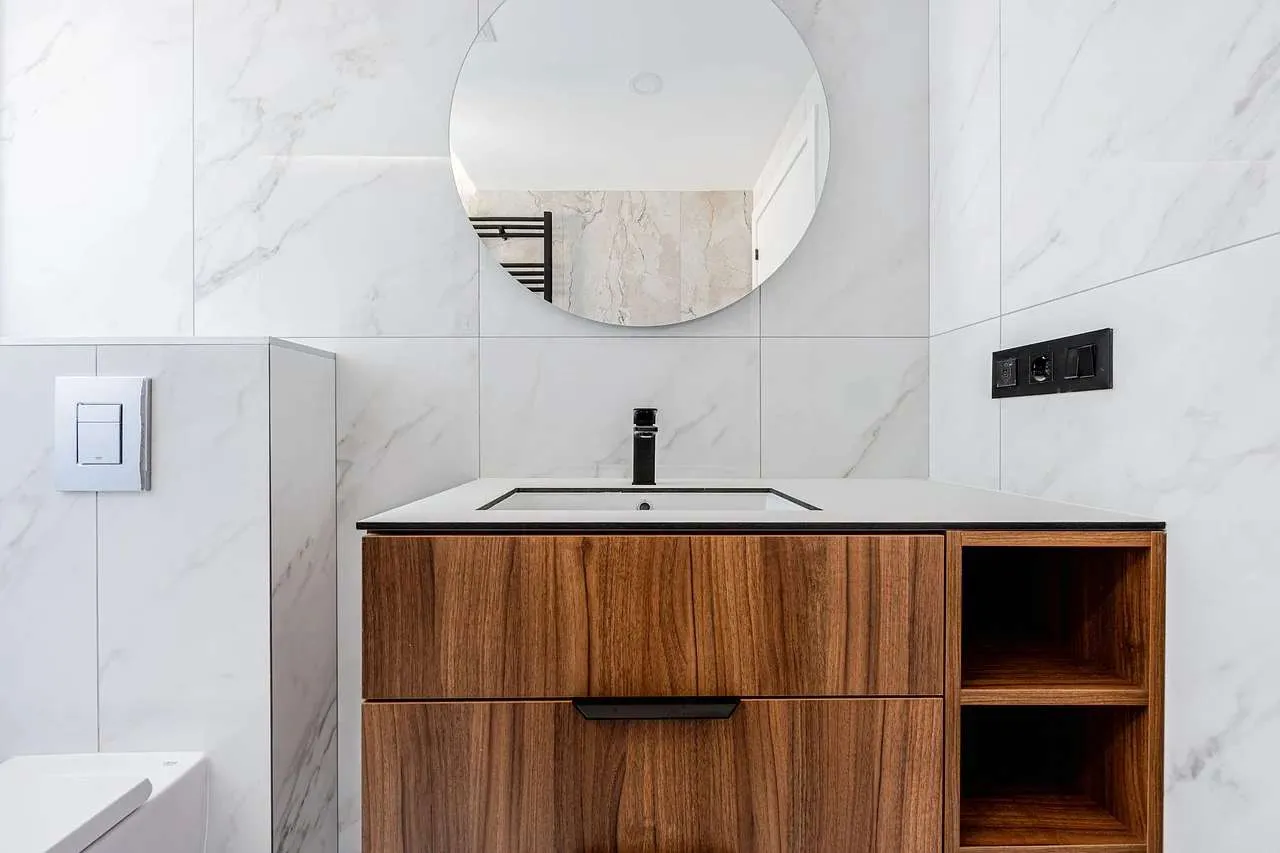
Small bathrooms don't have to compromise on style. With proven design strategies, even the tightest spaces can feel open and functional. As a seasoned designer, I’ve helped countless clients transform compact baths with simple tweaks that improve layout, storage, lighting, and finishes. This guide outlines practical small bathroom ideas to maximize space while maintaining comfort and style.
Space-Saving Layouts for Small Bathrooms
Layout is the foundation of every successful small bathroom. Start by evaluating the existing plumbing footprint and door swing. The most effective layouts prioritize clear sight lines, accessible surfaces, and minimal wasted floor space.
Linear layouts
In linear layouts, fixtures run along a single wall or two parallel walls. This approach keeps traffic flows predictable and avoids cramped corners. A wall-hung vanity and a frameless shower enclosure can create an airy corridor-like feel, especially when paired with large-format wall tiles that draw the eye vertically.
Corner layouts
Corner fixtures, such as a compact corner shower or a corner sink, exploit previously unused space. By tucking bulky elements into corners, you free floor space for a small rug, a stool, or a mopable zone that makes daily routines easier. When possible, align the door to swing outward or install a pocket door to eliminate door clearance issues.
Smart Storage Solutions
Storage is the secret weapon in small bathrooms. Clever cabinetry, recessed niches, and vertical storage can dramatically reduce clutter while keeping everyday essentials within reach.
Vanities and drawers
A wall-hung vanity with integrated drawers provides essential storage without occupying precious floor area. Choose shallow depths and soft-close hardware. If countertop space is scarce, pair a vessel sink with slim, tall storage above the counter.
Over-toilet storage and niches
Utilize the often-wasted space above the toilet with slim shelving, a recessed cabinet, or a recessed niche for toiletries. Add a mirror with built-in lighting to make the wall feel taller and brighter.
Light, Color, and Materials
Light and color dramatically influence perceived space. The right palette and materials can make a small bath feel calm, clean, and expansive.
Lighting strategies
Plan layered lighting: bright general illumination, task lighting near mirrors, and subtle accent lighting to create depth. Recessed lights and a backlit mirror reduce shadows and visually enlarge the room, while daylight bulbs mimic natural light for a fresh feel.
Color palettes and materials
Opt for light, neutral tones such as soft whites, warm beiges, or pale grays. Gloss or matte porcelain tiles with large formats reduce grout lines and visually expand walls. Reflective surfaces, like glass or glossy porcelain, bounce light and enhance airiness.
Fixtures and Fittings for Small Bathrooms
Choosing compact, efficient fixtures reduces bulk without compromising usability. The goal is to maintain comfort with careful sizing and placement.
Toilets and sinks
Consider a compact or wall-hung toilet and a slim-profile or wall-hung sink. These choices free floor space and simplify cleaning. A pedestal sink can work in very narrow bays, but wall-hung options generally maximize storage and openness.
Shower enclosures and tubs
A frameless glass shower with a sliding or bi-fold door creates a continuous, open look. If you prefer a tub, opt for a compact model with a shower attachment, or choose a wet room approach to minimize barrier walls.
Budget and Trade-Offs
Small bathroom upgrades can be cost-effective if you plan deliberately. Prioritize permanent layout changes over cosmetic updates if you need long-term space gains. Expect trade-offs between storage depth, fixture size, and the overall jaw-dropping aesthetic; the aim is to balance function and style within your budget.
Comparison Table
| Option | Pros | Cons | Best For |
|---|---|---|---|
| Wall-Hung Vanity | Frees floor space; easy cleaning; modern look | Higher installation cost; requires sturdy wall support | Mid-sized small baths prioritizing storage height |
| Corner Shower with Sliding Door | Maximizes floor area; minimizes door swing | Higher plumbing complexity; Bifold may feel tight | Tight corners where space is precious |
| Pocket Door | Eliminates door swing; opens entry | Requires compatible framing; reduces wall storage | Narrow doorways or tight corridors |
| Recessed Shelves and Niches | In-wall storage blends with finishes | Requires precise carpentry; limited weight capacity | Shower or bath storage with clean look |
Summary: By prioritizing layout, storage, lighting, and carefully chosen fixtures, small bathroom ideas can expand perceived space and elevate style. Start with a clear plan, then layer storage, light, and color to create a comfortable, functional bathroom that feels larger than it is.